

Den industrielle logik bag aluminiumtråds dominans
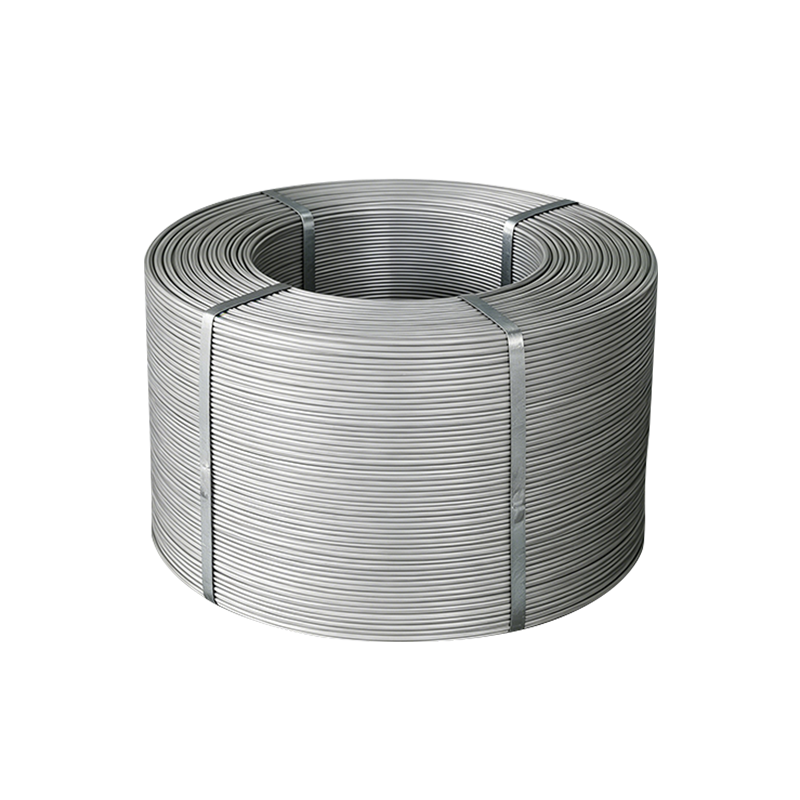
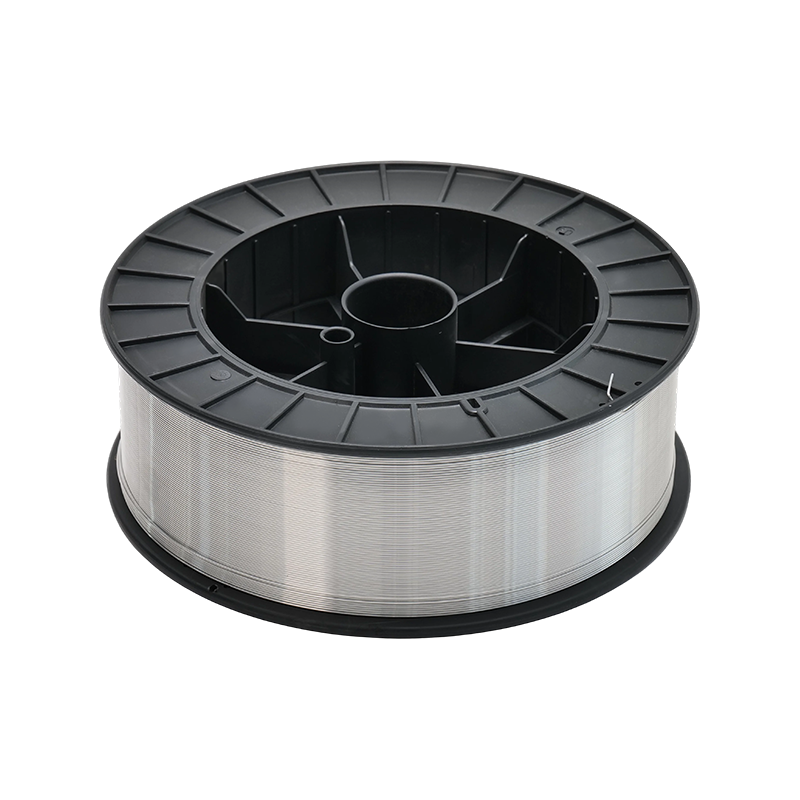
Aluminum wire has become the default material in a widening range of industrial applications not because it is the best conductor or the strongest wire available, but because it consistently delivers the most favorable combination of electrical performance, mechanical properties, weight, and cost for the majority of real-world engineering constraints. Ved 2,70 g/cm³ - en tredjedel af densiteten af kobber - opnår aluminiumtråd tilsvarende strømbærende kapacitet ved omtrent halvdelen af massen af en kobberleder, mens den koster cirka en tredjedel så meget pr. kilogram. For langsigtede applikationer, store viklingsoperationer og ethvert system, hvor vægt er en designvariabel, er disse tal strukturelt afgørende.
Det, der har ændret sig i løbet af de sidste to årtier, er sofistikeringen af, hvordan aluminiumtråd fremstilles og specificeres. Tidlige aluminiumsledninger gav pålidelighedsproblemer primært på grund af utilstrækkelig konnektorkonstruktion og dårligt forstået termisk ekspansionsadfærd ved afslutninger - problemer løst af moderne legeringsudvikling, overfladebehandling og hardwaredesign snarere end af nogen grundlæggende begrænsning af aluminium som et ledermateriale. Nutidens aluminiumtråd spænder over et egenskabsområde, der tidligere kun var opnåeligt på tværs af flere materialefamilier: fra ultra-høj renhed 5N-kvaliteter til halvlederbindingstråd, gennem elektrisk kvalitet 1350-H19 til overheadtransmission, til højstyrketråd 7xxx legeret til luft- og rumfartskonstruktioner, alt sammen inden for det samme basismetalsystem.
Hvordan legeringskemi former spektret af aluminiumtråds egenskaber
The distinction between commercially pure aluminum wire and aluminum alloy wire is not merely compositional — it represents a fundamental shift in which properties the material prioritizes. Ren 1xxx-seriens ledning maksimerer elektrisk ledningsevne (61-64 % IACS) og duktilitet på bekostning af mekanisk styrke, med trækværdier typisk under 185 MPa selv i fuldt hærdet H19-temperering. Aluminum alloy wire introduces controlled additions of magnesium, silicon, copper, zinc, or zirconium to access strengthening mechanisms unavailable to pure aluminum: solid solution hardening, precipitation hardening, and dispersoid formation. Each mechanism delivers strength increments with a predictable conductivity penalty, enabling engineers to select along a continuous tradeoff curve rather than choose between two discrete options.
6xxx-serien (Al-Mg-Si) repræsenterer den mest kommercielt betydningsfulde zone i denne afvejning. Alloy 6201-T81 opnår en trækstyrke på 315 MPa ved 52,5 % IACS-ledningsevne – tilstrækkeligt til All-Aluminium Alloy Conductor (AAAC) luftledninger, der matcher stålforstærket ACSR-nedbøjningsydelse ved reduceret vægt og overlegen korrosionsbestandighed. 5xxx-serien (Al-Mg) giver den højeste styrke blandt ikke-varmebehandlelige legeringer, med fremragende marin korrosionsbestandighed, der gør 5356 og 5056 til standardvalgene til svejsetråd og nittetråd i saltvandsmiljøer. I den yderste ende, 7xxx legeringer når 500–570 MPa trækstyrke — nærmer sig territorium af mellemkulstofstål — på bekostning af ledningsevne reduceret til 33-45 % IACS, hvilket begrænser deres anvendelse til strukturelle og rumfartsapplikationer, hvor elektrisk ydeevne er irrelevant.
| Serie | Primært legeringselement | Trækområde (MPa) | Ledningsevne (% IACS) | Repræsentativ brug af tråd |
|---|---|---|---|---|
| 1xxx | Ingen (≥99 % Al) | 60-185 | 61–64 | Transformatorvikling, bindingstråd, AAC-leder |
| 5xxx | Magnesium | 190-310 | 27-35 | Svejsemasse, nittetråd, marine strukturer |
| 6xxx | Magnesium silicium | 200-315 | 43-58 | AAAC-leder, ledningsnet til biler |
| 7xxx | Zink | 400-570 | 33-45 | Luftfartskonstruktionskabel, højbelastningssamlinger |
Fin aluminiumstråd : Produktionsudfordringer og applikationskrav
Fin aluminiumstråd - generelt forstået som wire under 0,5 mm diameter, med ultrafine kvaliteter, der strækker sig under 0,05 mm - optager et teknisk krævende segment af wiremarkedet, hvor produktionsudfordringerne er kvalitativt anderledes end standard gauge wire. At fine diameters, the ratio of surface area to cross-sectional area increases dramatically, meaning that surface defects, oxide layer non-uniformity, and drawing lubricant residues that are inconsequential at 2 mm diameter become dominant variables at 0.1 mm. En enkelt indeslutning eller overfladesøm, der ikke ville forårsage nogen målbar effekt i en strukturel leder, vil forårsage et ledningsbrud i et fint bindende trådtræk, afbryde produktionen og indføre et potentielt svagt punkt i den færdige spole.
Tegningsprocessen for fin aluminiumstråd kræver matricegeometrier, smøremiddelsystemer og trækhastighedsprofiler, der er optimeret specifikt til legeringen og måldiameteren. Reduction ratios per pass must be controlled to prevent adiabatic heating at the die contact zone — localized temperature rises that cause surface oxidation and compromise surface quality before the wire reaches its final dimension. Intermediate annealing cycles are more frequent than for standard wire, and the annealing atmosphere must be controlled to prevent hydrogen uptake and excessive oxide growth that would affect surface chemistry at the scale relevant to bonding and contact applications.
Halvleder bindingstråd er den mest specifikationskrævende applikation til fine aluminiumtråde. Bonding wire in the 17–500 µm diameter range must meet simultaneous requirements for electrical resistivity, bond formation kinetics, loop geometry stability, and joint reliability through thousands of thermal cycles between −55°C and 150°C. Ved disse dimensioner har kornstrukturen en direkte og målbar effekt på løkkedannelsen under trådbinding - for få korn på tværs af trådtværsnittet giver uregelmæssig løkkeadfærd; overdreven kornvækst fra overglødning reducerer træthedsmodstanden ved bindingshalsen. Renhed på 4N-niveauet (99,99%) er standard for bindingstrådsapplikationer, da Fe- og Si-urenheder ved selv 100-200 ppm-koncentrationer påvirker både elektrisk resistivitet og bindingsmetallurgi på måder, der er uacceptable for højpålidelige halvlederpakker.
Ud over halvledere tjener fine aluminiumstråde sensorvikling, fremstilling af præcisionsinstrumenter, højfrekvente transformerspoler og samling af medicinsk udstyr - hver med særskilte krav til overfladerenhed, temperamentkonsistens og emballagegeometri. Til automatiseret opviklingsudstyr, der arbejder ved høje hastigheder, spændingsvariation langs trådlængden forårsaget af diameterudsving eller inkonsekvent udglødning er et mere umiddelbart skadeligt kvalitetsproblem end gennemsnitlige mekaniske egenskaber, fordi det viser sig som viklingsregisterfejl eller ledningsbrud, der stopper produktionen.
Ny efterspørgsel: Elektriske køretøjer og netinfrastruktur som specifikationsdrivere
To infrastrukturovergange omformer efterspørgslen efter aluminiumtråd og trækker trådspecifikationerne mod strammere tolerancer, bedre dokumentation og bredere legeringsdiversitet. Udviklingen af platforme til elbiler driver den mest umiddelbare forandring. As automotive OEMs and Tier 1 suppliers replace copper wiring harness segments with aluminum equivalents — achieving 40–50% mass reduction on high-voltage bus conductors at equivalent current capacity — the supply chain is absorbing specifications it has not previously qualified at scale: flex cycle fatigue life over 15-year vehicle lifetimes, crimp joint integrity across −40°C to 150°C thermal cykling og modstandsdygtighed over for vibrationstræthed under vedvarende vejbelastning.
Standard 6xxx alloy wire meets some of these requirements but falls short on fatigue performance for fine-gauge harness wire in high-vibration zones. This gap has accelerated development of micro-alloyed compositions — Al-Fe-Cu, Al-Zr, and proprietary variants — that achieve 200–260 MPa tensile strength with conductivity above 55% IACS and fatigue life multiples above 6xxx baselines. These alloys are not yet standardized in international specifications, which means that buyers qualifying them for production must establish their own incoming inspection criteria rather than relying on existing ASTM or IEC standard compliance as a quality surrogate.
Grid infrastructure investment — transmission line uprating, renewable energy interconnection, and transformer capacity expansion — is sustaining parallel demand growth for electrical-grade and high-strength aluminum alloy wire. High-temperature low-sag (HTLS) conductors using Al-Zr alloy wire with continuous operating ratings above 200°C are being specified for grid capacity upgrades that would otherwise require tower replacement, compressing what was previously a multi-year infrastructure project into a reconductoring program. For transformer manufacturers supplying this build-out, the trend toward higher efficiency class requirements (IEC Tier 2 and above) is tightening the acceptable resistivity band for winding wire — pushing procurement toward higher-purity 1xxx grades and tighter lot-to-lot consistency than utility transformer manufacturing historically required.
Indkøbskriterier, der forudsiger real-World Wire Performance
The gap between a wire supplier's certificate and the actual behavior of their product in production is where most aluminum wire quality problems originate. Standard material test reports confirm that a sample from the lot met specified values at the time of testing — they do not confirm that the properties are uniform along the coil length, consistent across coils within the lot, or stable through the shipping and storage period between production and use. For buyers whose production processes are sensitive to wire variability — automated winding, fine-pitch bonding, cold heading, or precision drawing — the relevant qualification question is not whether the wire meets average specification, but whether the within-coil and lot-to-lot variation is controlled tightly enough to prevent process interruption.
Vertikal integration er den stærkeste strukturelle indikator for en leverandørs evne til at levere ensartet ledning. A manufacturer controlling rod casting, alloying, drawing, and annealing within a single quality system can monitor and correct process variables at every stage; en konverter, der køber tredjepartsstang, arver opstrømsvariation, som den ikke kan eliminere gennem downstream-processtyring alene. In-house chemical analysis capability (ICP-OES or spark OES), mechanical testing equipment with extensometers for accurate elongation measurement, and in-line eddy current or optical surface inspection are the technical floor for credible quality assurance. IATF 16949 certificering — with its requirements for statistical process control, production part approval, and documented corrective action — is increasingly used as a proxy for this operational discipline, particularly by automotive and electronics buyers who cannot audit every supplier facility directly. For critical applications, there is no substitute for reviewing actual SPC charts and capability indices rather than accepting certification status alone as evidence of process control.